

As India observes International Women’s Day, the narrative around women’s empowerment is expanding beyond social and economic progress to include a crucial pillar—preventive healthcare. For women in their 30s, this decade is no longer a “low-risk” phase. A rising burden of non-communicable diseases such as cancer, cardiovascular conditions, diabetes, and hormonal disorders is redefining health risks for this age group.
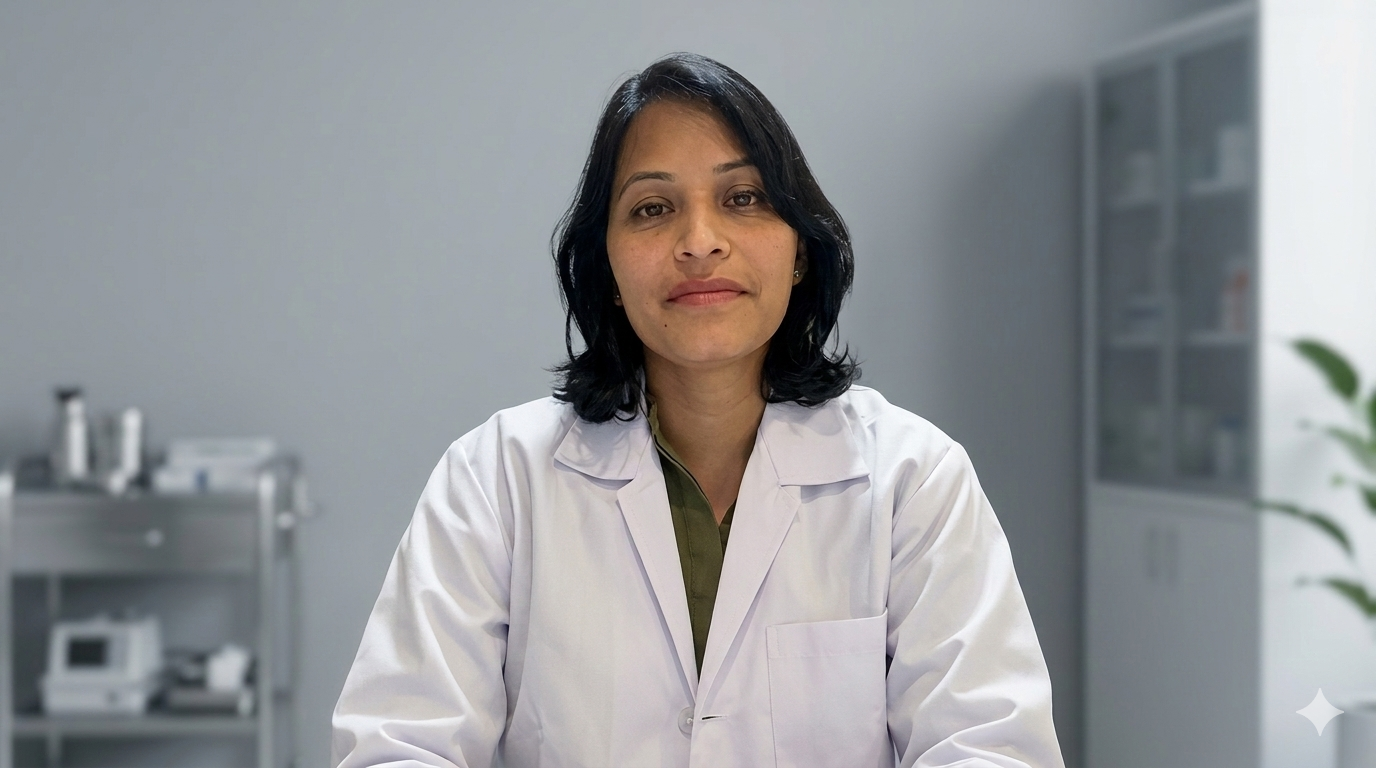
In an interaction with IndiaMedToday, Dr. Mayanka Lodha Seth, Chief Pathologist at Redcliffe Labs, highlights the growing importance of early and routine health screenings. She emphasizes that transitioning from reactive treatment to proactive prevention is not just clinically beneficial—it is essential for ensuring long-term health, financial stability, and overall quality of life.
The Case for Early Detection
Traditionally, conditions like cancer and heart disease have been associated with older age groups. However, increasing evidence shows that delayed diagnosis significantly raises the risk of severe outcomes. Preventive screenings empower women to monitor their health proactively, often identifying issues long before symptoms appear.
India has made notable progress in expanding screening services. According to government data, by early 2025:
-
Approximately 14.6 crore women were expected to undergo breast cancer screening
-
Over 9 crore women were projected to be screened for cervical cancer
-
In 2025 alone, more than 1.2 crore women aged 30+ received cervical cancer screening
This marks a sharp rise compared to earlier years, with cervical cancer screenings increasing from around 2.11 million in 2020–21 to an estimated 12.7 million by 2025. These improvements reflect the growing impact of national initiatives like the National Programme for Prevention and Control of Non-Communicable Diseases (NPCDCS).
Beyond Cancer: Addressing Cardiovascular and Metabolic Risks
While cancer screenings are vital, they represent only one part of preventive care. Cardiovascular disease is now among the leading causes of death among women in India. In response, community-based ECG screening initiatives and awareness campaigns are being conducted nationwide.
Routine monitoring of:
-
Blood pressure
-
Cholesterol levels (lipid profile)
-
Blood glucose
is critical for early detection of hypertension, diabetes, and heart disease. Government-led screening programs through primary healthcare systems, including Ayushman Arogya Mandirs, have significantly expanded access, enabling millions to undergo basic health checks.
The Persistent Gap: Awareness and Access
Despite these advancements, participation in preventive screening remains suboptimal. Several barriers continue to limit uptake:
-
Lack of awareness about the importance of screenings
-
Cultural stigma around reproductive health
-
Limited access to healthcare facilities, especially in rural areas
Although national figures indicate large-scale screening efforts, coverage still falls short of global benchmarks. A significant proportion of women aged 30–50 do not undergo recommended screenings regularly, highlighting the gap between availability and actual utilization.
Essential Screenings for Women in Their 30s
To ensure early detection and better health outcomes, women in their 30s should prioritize the following:
-
Cervical Cancer Screening: HPV testing every 3–5 years for women aged 30 and above
-
Breast Health: Regular self-examinations and clinical breast exams; mammography based on individual risk factors
-
Blood Pressure & Lipid Profile: Annual screening to assess cardiovascular risk
-
Diabetes Screening: Periodic blood glucose testing, especially given rising early-onset diabetes
-
Hormonal & Reproductive Health: Evaluation of thyroid function and screening for conditions like PCOS
A Call for Preventive Health as a Norm
Preventive health check-ups should not be viewed as optional—they are a necessity. Early diagnosis not only improves health outcomes but also reduces long-term healthcare costs and enhances quality of life.
As India marks International Women’s Day, there is an urgent need for collective action. Healthcare providers, policymakers, employers, and families must work together to normalize preventive health practices. Embedding routine screenings into everyday healthcare behavior can shift the system from reactive treatment to proactive prevention.
Empowering women with access to timely screenings is not just a health priority—it is a foundational step toward enabling longer, healthier, and more fulfilling lives.