
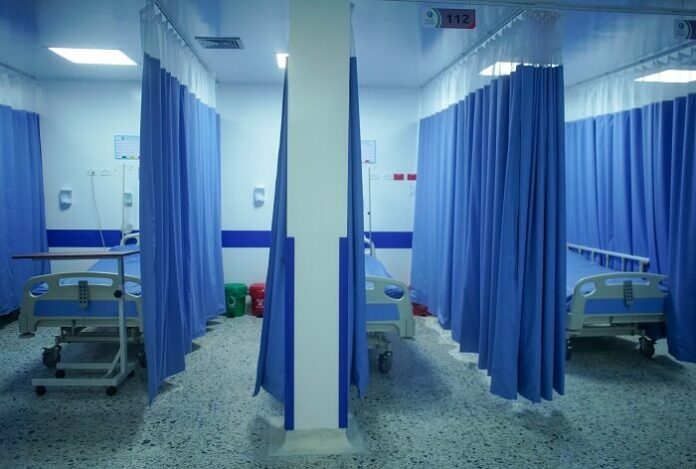

Maharashtra is facing growing public health concerns as the incidence of infectious diseases continues to rise, even as the availability of hospital beds per lakh population declines. Findings from the state’s latest Economic Survey point to a widening gap between healthcare demand and infrastructure capacity.
The survey indicates that hospital bed availability has dropped significantly over the past decade—from 108 beds per lakh population in 2014 to just 65 in 2025. This decline comes amid a steady increase in infectious diseases such as malaria, dengue, tuberculosis, and HIV.
Malaria Cases Continue Upward Trend
Malaria remains a persistent concern. Public hospital data shows that cases rose from 16,760 in 2023, with 23 deaths, to 20,640 cases and 26 deaths in 2024. Between June and December 2025 alone, the state recorded 20,735 cases and 27 deaths, highlighting the disease’s continued prevalence.
Dengue, TB, and HIV Also Show Rising Numbers
Other infectious diseases are also contributing to the growing burden. Between January 2023 and December 2025, Maharashtra reported over 50,000 dengue cases, leading to 106 deaths.
Tuberculosis surveillance data shows a sharp increase in suspected cases, rising from 2,027 per lakh population in 2023 to 3,475 per lakh in 2025. Meanwhile, HIV positivity rates have seen a slight uptick—from 0.24% (10,690 cases) in 2023 to 0.25% (10,830 cases) in 2025—indicating a gradual but notable rise.
Declining Bed-to-Population Ratio Raises Concerns
The bed-to-population ratio has fluctuated in recent years. After standing at 102 beds per lakh population in 2020, it dropped sharply to 59 in 2021. Although there was some recovery to 73 beds in 2024, the ratio again fell to 65 in 2025, raising concerns about healthcare capacity.
Officials attribute part of this decline to a change in methodology. Until 2020, the state included beds from government, municipal, and charity trust-run hospitals in its calculations, excluding only private and corporate facilities. Post-2020, beds from charity-run hospitals were no longer counted, contributing to the apparent drop.
Experts Raise Questions Over Data Accuracy
Despite this explanation, some experts remain skeptical. Health economist Dr. Ravi Duggal has suggested that the figure of 65 beds per lakh population could reflect either underreporting or calculation inconsistencies, pointing to broader concerns around healthcare data accuracy.
Government Emphasises Existing Capacity
State authorities, however, maintain that Maharashtra still has substantial public healthcare infrastructure. The public health department operates 609 hospitals, including 20 district hospitals, 71 sub-district hospitals with 100 beds each, and 374 sub-district hospitals with 50 beds each—together providing 29,364 beds.
Additionally, the department of medical education oversees 35 medical colleges, each equipped with more than 500 beds.
While officials highlight these resources, the rising burden of infectious diseases underscores the need for better data transparency, continuous monitoring, and sustained investment in healthcare infrastructure to meet growing demand.