
Summary
A growing number of people in London are choosing to pay for private healthcare to get new weight loss medications. While these drugs are available through the National Health Service (NHS), the rollout has been very slow and difficult to access. Many patients feel they cannot wait for the public system to catch up, so they are spending their own money at private clinics. This trend shows a major shift in how people are managing their health and highlights the pressure on the UK's public health budget.
Main Impact
The primary impact of this trend is the creation of a two-tier health system for weight management. People who have the money can get treatment almost immediately, while those who rely on the NHS face long waiting lists and strict rules. This is particularly visible in London, where there is a high concentration of private medical providers. The high demand is also putting a strain on the supply of these drugs, making it harder for everyone to get the medicine they need.
Key Details
What Happened
In recent months, new weight loss drugs like Wegovy have become very popular. These drugs help people lose weight by making them feel full for longer. The NHS agreed to provide these treatments, but only under very specific conditions. To get the drug for free, a patient usually has to be referred to a specialist weight management clinic. In London, these clinics are often overwhelmed with patients, leading to wait times that can last for months or even years.
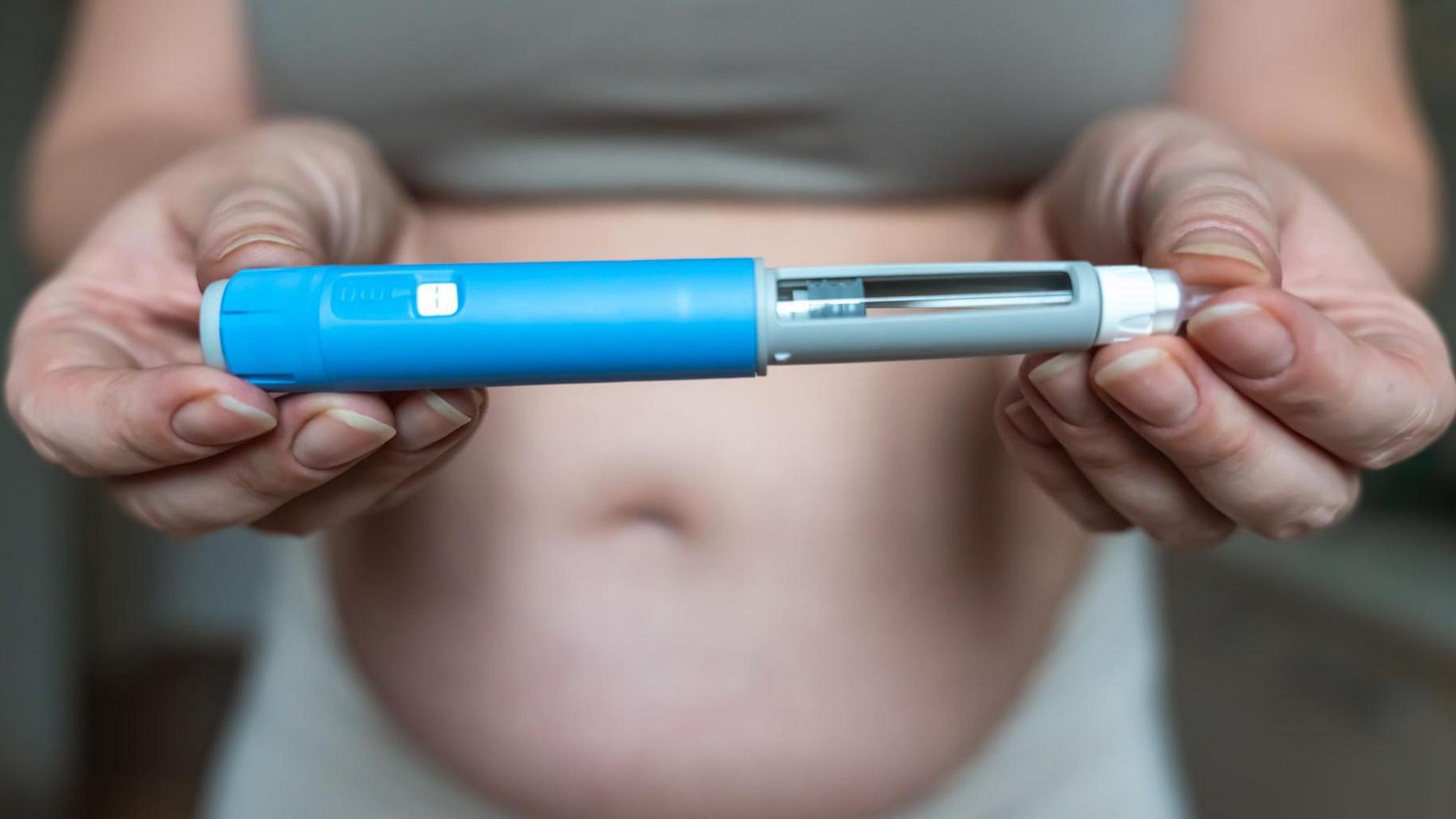
Because of these delays, many Londoners are visiting private doctors or using online pharmacies. These private services allow people to get a prescription much faster, provided they meet the health criteria and can afford the monthly cost. This has led to a massive increase in private prescriptions across the city.
Important Numbers and Facts
The cost of these weight loss injections in the private sector can range from £150 to over £300 every month. On the NHS, the same treatment would only cost the standard prescription fee or be free for those who qualify for help. Experts estimate that millions of people in the UK could benefit from these drugs, but the NHS currently only has the resources to treat a small fraction of them. In London specifically, the number of private weight loss consultations has doubled in the last year as more people seek alternatives to the public waitlists.
Background and Context
Obesity is one of the biggest health challenges in the UK. It is linked to many serious conditions, such as type 2 diabetes, heart disease, and certain types of cancer. For a long time, the main advice for losing weight was to eat less and exercise more. However, doctors now understand that obesity is a complex medical issue that often requires more than just willpower.
The new class of drugs, known as GLP-1 agonists, has changed the way doctors treat weight issues. These drugs mimic a hormone that the body naturally produces after eating. By doing this, they tell the brain that the stomach is full. While these drugs are effective, they are also expensive and require long-term use. This makes it difficult for a public system like the NHS to provide them to everyone at once without careful planning and extra funding.
Public or Industry Reaction
Health experts and charities have expressed concern about this situation. They worry that the "wealth gap" in healthcare is getting wider. If only wealthy people can access these life-changing drugs, then the poorest people in society will continue to suffer from weight-related illnesses. This could lead to higher costs for the NHS in the long run as they treat the complications of obesity.
On the other hand, some private doctors argue that they are helping to take the pressure off the NHS. By treating patients who can afford to pay, they leave more room in the public system for those who cannot. However, pharmacists have warned about the risks of buying these drugs online without proper medical checks. They emphasize that these are powerful medicines that must be used under the care of a professional.
What This Means Going Forward
The government is looking for ways to make these drugs more accessible. One plan is to use digital services and apps to monitor patients, which would reduce the need for hospital visits. There is also a push to allow more GPs to prescribe the medication directly, rather than requiring a specialist referral. However, this will require a steady supply of the drug and more training for local doctors.
In the coming years, we can expect to see more competition in the market as other companies release similar weight loss products. This might help lower the price and make it easier for the NHS to buy the drugs in bulk. Until then, the trend of going private is likely to continue in London and other major cities.
Final Take
The shift toward private weight loss treatment is a clear sign that the public's demand for modern medicine is moving faster than the government can manage. While the NHS works to build a fair system for everyone, those with the means are taking control of their own health. This situation highlights the urgent need for a sustainable plan to tackle obesity that does not leave the most vulnerable people behind.
Frequently Asked Questions
Why is the NHS rollout of weight loss drugs so slow?
The NHS has strict rules to ensure the drugs are used safely and effectively. There is also a limited number of specialist clinics and a high cost associated with the medication, which makes it difficult to offer it to everyone immediately.
How much do weight loss drugs cost privately in London?
Patients can expect to pay between £150 and £300 per month for the medication. This cost usually includes the drug itself and the consultation with a private doctor or pharmacist.
Can anyone get these drugs from a private clinic?
No, patients still need to meet certain health criteria. Usually, a person must have a high Body Mass Index (BMI) and a weight-related health condition, such as high blood pressure, to be eligible for a prescription.