

Summary
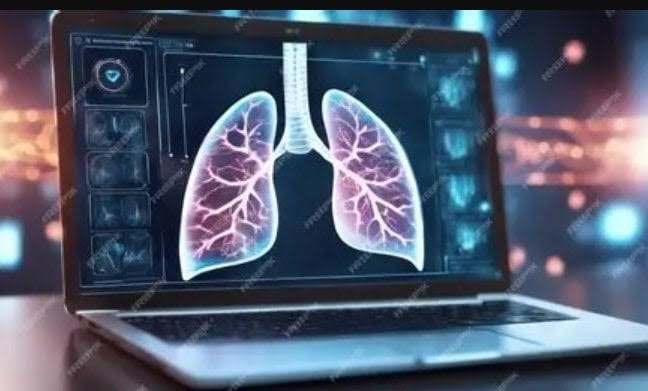
L&T Technology Services (LTTS) has launched a new AI Lung Digital Twin Platform to help doctors diagnose and treat lung diseases more effectively. Developed in partnership with NVIDIA, this tool creates a highly detailed 3D digital version of a patient’s lungs using standard CT scans. This technology allows medical professionals to see inside the body with more clarity than ever before. By using artificial intelligence, the platform helps in planning complex surgeries and finding health issues early, which can lead to better results for patients around the world.
Main Impact
The introduction of this platform marks a major change in how respiratory health is managed. Traditionally, doctors have relied on flat, two-dimensional images to understand what is happening inside a patient’s chest. This new system changes those flat images into a dynamic, three-dimensional model that doctors can interact with. This shift from looking at pictures to exploring a digital replica makes it much easier to spot small problems that might otherwise be missed.
For patients, the impact is even more direct. Because doctors can use the digital twin to practice a procedure before it actually happens, the risk of mistakes during surgery is lower. This leads to safer operations and faster recovery times. The platform also helps in making medicine more personal. Instead of a "one size fits all" approach, treatments can be designed to fit the exact shape and condition of a specific person's lungs.
Key Details
What Happened
LTTS combined its engineering skills with NVIDIA’s powerful computer technology to build this diagnostic tool. The platform works by taking data from a CT scan and using deep learning—a type of artificial intelligence—to identify different parts of the lung. It can automatically map out the airways, blood vessels, and the different sections of the lungs. Once the map is ready, it creates a "digital twin" that looks and acts like the real organ.
Doctors can use this digital model to simulate a bronchoscopy, which is a procedure where a thin tube is passed into the lungs. They can also plan exactly where to take a biopsy, which is a small tissue sample used to test for cancer. By doing this on a computer first, the medical team can find the safest and most direct path to the problem area.
Important Numbers and Facts
The platform is built using several advanced technologies from NVIDIA. One tool, called Omniverse, is used to create the realistic 3D visuals. Another tool, known as MONAI, is specifically designed to help the AI understand medical images. To make sure the system works quickly, it uses TensorRT, which helps the computer process information in real-time. These technical parts work together to turn static data into a tool that doctors can use immediately in a hospital setting.
Background and Context
Lung diseases are a growing problem across the globe. Conditions like lung cancer and Chronic Obstructive Pulmonary Disease (COPD) affect millions of people every year. Finding these diseases early is the most important factor in saving lives. However, the human lung is a very complex organ with thousands of tiny branches. Navigating these branches during a medical procedure is difficult and requires a high level of skill.
In the past, medical imaging was limited to what the human eye could see on a screen. As technology has improved, the healthcare industry has started looking for ways to use AI to help doctors. A "digital twin" is a concept borrowed from engineering and manufacturing. It involves creating a virtual copy of a physical object to test how it works. Bringing this idea to healthcare means that doctors can now "test" a surgery on a virtual lung before performing it on a real person.
Public or Industry Reaction
Leaders at both LTTS and NVIDIA believe this technology will change the future of medicine. Amit Chadha, the CEO of LTTS, mentioned that this platform will help provide precision care that was not possible before. He believes the impact will be felt by healthcare systems all over the world. By combining engineering with biology, the companies hope to set a new standard for how lung diseases are treated.
NVIDIA’s healthcare experts also pointed out that digital twins are becoming a vital tool for modern doctors. They noted that turning standard data into an interactive model gives clinicians more confidence when they make decisions. The industry generally sees this as a move away from old-fashioned methods and toward a future where computers and doctors work together to solve complex health problems.
What This Means Going Forward
As this technology becomes more common, we can expect to see it used for other parts of the body as well. The success of the lung digital twin could lead to similar models for the heart, brain, or kidneys. This would allow for a complete digital map of a patient’s health. In the short term, hospitals that adopt this platform will likely see more efficient workflows. Doctors will spend less time trying to figure out where a problem is and more time treating it.
There is also a push toward making medical procedures less invasive. When a doctor has a perfect map of the lungs, they can use smaller tools and make smaller cuts. This reduces pain for the patient and lowers the cost of healthcare by shortening hospital stays. The focus will continue to shift toward using data and simulations to prevent problems before they become serious.
Final Take
The collaboration between LTTS and NVIDIA shows how powerful technology can be when applied to healthcare. By creating a digital twin of the lungs, they have given doctors a new way to see, plan, and act. This platform does more than just show a picture; it provides a roadmap for better health. As AI continues to improve, tools like this will become a standard part of every hospital, making surgery safer and diagnostics more accurate for everyone.
Frequently Asked Questions
What is a lung digital twin?
A lung digital twin is a 3D virtual model of a patient's actual lungs. It is created using AI and CT scans to help doctors see the exact structure of the airways and blood vessels for better planning.
How does this help in surgery?
It allows doctors to simulate a procedure on a computer before doing it on the patient. This helps them find the best path for tools, which reduces risks and improves the safety of the operation.
Is this technology only for lung cancer?
While it is very helpful for lung cancer, it can also be used for other respiratory issues like COPD or any condition that requires a clear view of the lung's internal structure.