

Summary
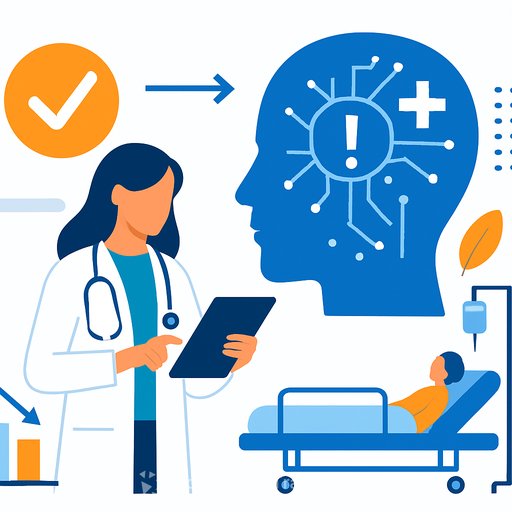
Ireland has launched a new national plan called "AI for Care" to bring artificial intelligence into its health and social care services. Running from 2026 to 2030, this strategy focuses on making medical care better, helping hospitals run more efficiently, and improving medical research. The goal is to use modern technology to help doctors find diseases earlier and spend less time on paperwork. This plan ensures that technology is used safely while keeping human doctors and nurses at the center of patient care.
Main Impact
The introduction of this strategy is expected to change how patients experience healthcare in Ireland. By using AI, the health system can provide faster diagnoses and better treatment plans. For example, AI tools can help doctors spot signs of serious illnesses like cancer or strokes much earlier than before. Additionally, the technology will help manage hospital resources better, ensuring that beds and staff are available when and where they are needed most. This shift aims to create a more consistent level of care for everyone across the country.
Key Details
What Happened
The Irish government created a structured roadmap to guide the use of AI in health services over the next five years. The strategy is built on four main pillars: clinical care, hospital operations, research and innovation, and public health. It is designed to be a safe and responsible way to adopt new technology. A major part of the plan is ensuring that humans always have the final say in medical decisions. The strategy also follows strict international rules, such as the EU AI Act, to protect patient data and privacy.
Important Numbers and Facts
The "AI for Care" plan will be rolled out in stages between 2026 and 2030. In the first year, the focus will be on tools that are already proven to work, such as AI for reading medical images and managing hospital schedules. By the second and third years, the program will grow to include more advanced diagnostic tools. This initiative follows successful pilot programs, such as virtual hospital wards, which have already saved 13,800 hospital bed days. Furthermore, the government is starting a national Electronic Health Record (EHR) system to give every patient a single, digital medical file.
Background and Context
Healthcare systems around the world are facing more pressure as populations grow and age. Ireland is moving toward a digital-first approach to handle these challenges. Before this AI strategy, the country began using virtual wards, where patients can be monitored from home instead of staying in a hospital bed. The new AI plan is the next step in this digital journey. It works alongside other projects, like the national digital mental health strategy, to make sure the entire health system is connected and modern.
Public or Industry Reaction
Minister for Health Carroll MacNeill has spoken positively about the initiative, calling it a vital step toward a smarter and more sustainable health service. She emphasized that the goal is to support medical professionals rather than replace them. The focus remains on strengthening the relationship between patients and their caregivers. Health officials have also noted that the strategy includes strong oversight from the Health Information and Quality Authority (HIQA) to ensure that every AI tool used is safe and effective.
What This Means Going Forward
As the plan moves forward, patients can expect to see more technology used during their doctor visits. AI "scribes" may be used to take notes during appointments, allowing doctors to focus entirely on the patient. Hospitals will use predictive tools to guess when they will be busiest, helping to reduce long wait times in emergency rooms. In the long term, this could lead to a health system that is more proactive, finding and treating health issues before they become emergencies. The phased rollout allows the government to test each new tool carefully before using it everywhere.
Final Take
Ireland is taking a clear and careful path toward modernizing its healthcare system. By combining artificial intelligence with strong human oversight, the "AI for Care" strategy aims to make medical services faster and more reliable. This move shows a commitment to using the best available tools to improve the lives of patients while protecting the personal touch that is so important in medicine.
Frequently Asked Questions
Will AI replace doctors and nurses in Ireland?
No. The strategy is designed to support healthcare workers, not replace them. AI will handle repetitive tasks and help with data analysis, but human professionals will still make the final decisions regarding patient care.
How will AI help find diseases earlier?
AI systems can scan medical images like X-rays and MRIs very quickly. They are trained to find tiny patterns that might indicate a fracture, a stroke, or early-stage cancer, helping doctors start treatment sooner.
Is my medical data safe under this new plan?
Yes. The strategy follows the EU AI Act and national safety guidelines. There are strict rules on how data is used, and human oversight is mandatory for all AI applications in the health system.