

Summary
The Indian government has announced a major goal to provide health insurance to every citizen by the year 2033. Finance Minister Nirmala Sitharaman shared this plan during a session in the Rajya Sabha, the upper house of India's Parliament. This move is a key part of the government’s plan to improve both the economy and the lives of people across the country. By making health insurance available to everyone, the government aims to ensure that no one is left without medical care due to a lack of money.
Main Impact
The decision to aim for universal health coverage will change the lives of millions of families. Currently, many people in India have to pay for medical treatments out of their own pockets. This often leads to families falling into debt or poverty when a member gets seriously ill. By providing insurance to the entire population, the government is creating a safety net. This will allow people to get treated at hospitals without the fear of losing all their savings. It also means that more people will seek medical help early, which can lead to better health outcomes for the nation as a whole.
Key Details
What Happened
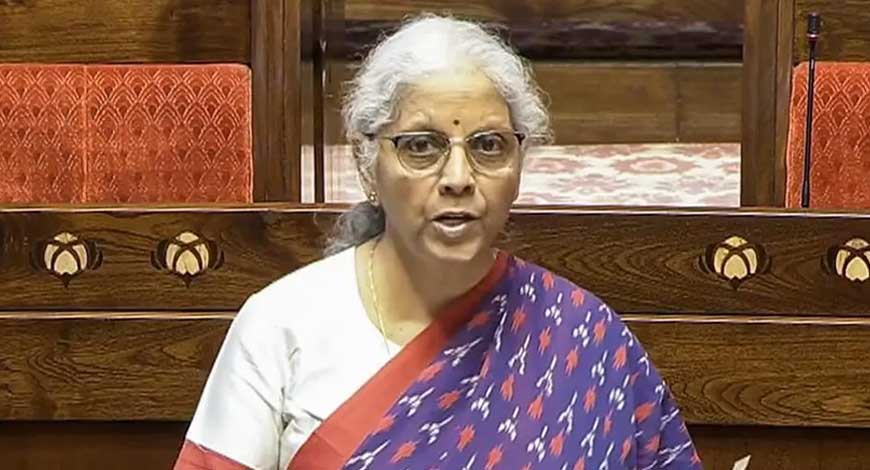
During the Question Hour in the Rajya Sabha, Finance Minister Nirmala Sitharaman responded to questions about the country's health sector. She explained that the government is making universal health cover a top priority. The Minister noted that the health insurance sector is growing very quickly. The government is working to expand existing programs and create new ways to reach people who are not yet covered. This effort is seen as a way to build a stronger and more stable society where health is treated as a basic right.
Important Numbers and Facts
The scale of this project is massive. At present, about 58 crore (580 million) people in India are covered by some form of health insurance. While this is a large number, it is still less than half of the country's total population of over 1.4 billion people. To reach the 2033 goal, the government will need to provide coverage to more than 800 million additional people over the next nine years. The Finance Minister highlighted that the insurance industry is expanding to meet this demand, with more companies and services entering the market every year.
Background and Context
For a long time, healthcare in India has been a mix of expensive private hospitals and crowded public facilities. Many people in rural areas or low-income jobs do not have any form of financial protection for health issues. The government previously launched the Ayushman Bharat scheme, which provides free health cover to the poorest families. However, there is a "missing middle" group of people who are not poor enough for government aid but not rich enough to buy private insurance. The 2033 goal aims to close this gap so that every person, regardless of their income level, has a plan that covers their medical needs.
Public or Industry Reaction
The announcement has been met with interest from various groups. Health experts believe that universal coverage is the only way to improve India's overall health rankings. They say that when people have insurance, they are more likely to go for regular check-ups, which helps in catching diseases like cancer or diabetes early. On the other hand, insurance companies see this as a huge opportunity to grow their business. However, some critics point out that simply having insurance is not enough. They argue that the government must also build more hospitals and train more doctors, especially in small towns, so that people actually have a place to use their insurance.
What This Means Going Forward
To reach the 2033 target, the government will likely take several steps. First, they may expand the current government-funded schemes to include more families. Second, they might offer incentives to private companies to provide cheaper insurance plans for their workers. There will also be a big focus on technology. The government wants to use digital health IDs to keep track of medical records and insurance claims. This will make the process faster and reduce the chance of mistakes or fraud. In the coming years, we can expect more talk about how to fund this massive expansion and how to make sure the quality of care remains high.
Final Take
Providing health insurance to over a billion people is a very difficult task, but it is a necessary one for India's future. If the government can meet the 2033 deadline, it will be one of the biggest social achievements in the country's history. It will not only protect families from financial ruin but also create a healthier and more productive workforce. The success of this plan will depend on how well the government, private companies, and hospitals work together over the next decade.
Frequently Asked Questions
What is universal health insurance?
Universal health insurance means that every person in a country has a plan that pays for their medical expenses. This ensures that everyone can get healthcare when they need it, regardless of how much money they have.
Who is currently covered by health insurance in India?
Right now, about 580 million people in India have health insurance. This includes people covered by government schemes like Ayushman Bharat, as well as those with private insurance through their jobs or personal plans.
How will the government reach the 2033 goal?
The government plans to reach this goal by expanding existing health programs, encouraging the growth of the insurance industry, and using digital technology to make insurance easier to access for everyone.