

For many women, stepping into their thirties marks a phase of clarity, stability, and self-assurance. Careers feel more settled, finances are stronger, and life decisions—including motherhood—are approached with intention rather than urgency. Yet, a quiet concern often lingers: Is it too late to start?
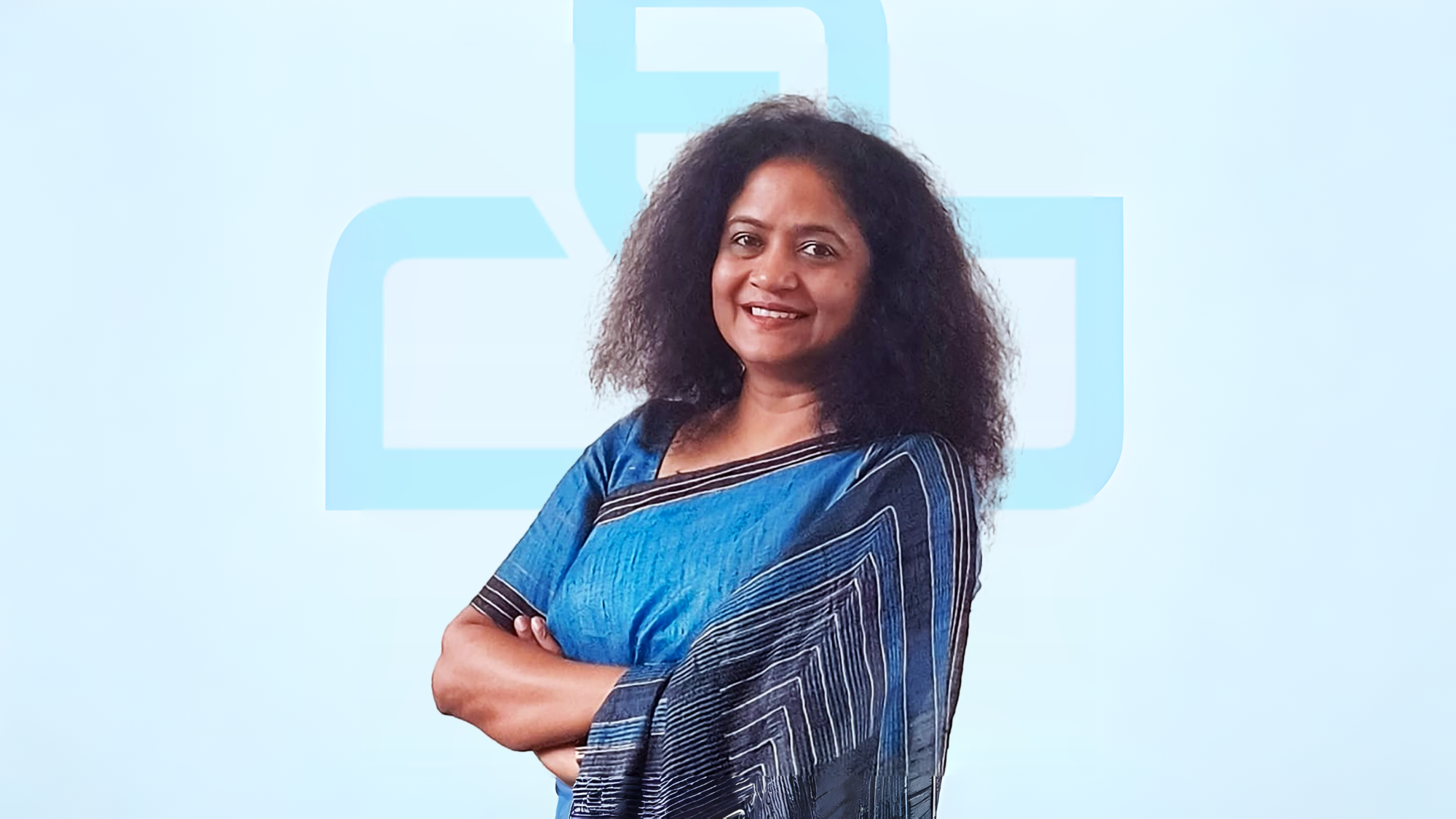
According to Dr. Priya Kadam, Director of Reproductive Genomics at MedGenome Labs Ltd., the answer is reassuring—30 is not “too late.” Instead, it’s a time to better understand how age and genetics together influence fertility, and how modern science can empower women to make informed choices.
Understanding the Biological Shift
Fertility doesn’t abruptly decline at 30, but gradual biological changes do begin. Both the quantity and quality of eggs slowly decrease over time. In the early thirties, these changes are usually minimal, but they become more noticeable after 35 and more pronounced toward the late thirties.
As egg quality declines, the chances of chromosomal abnormalities increase. This can affect the ability to conceive, raise the risk of miscarriage, and increase the likelihood of certain genetic conditions. Importantly, this is a natural aspect of reproductive aging—not a failure or flaw.
What has changed today is not biology, but our ability to understand and manage it through advances in genetics.
Before Conception: Identifying Hidden Risks
One of the most valuable tools available today is carrier screening. Many individuals unknowingly carry genetic mutations linked to inherited conditions without experiencing any symptoms themselves. However, if both partners carry the same mutation, there is a higher risk of passing on a genetic disorder to their child.
In the past, such risks often became apparent only after childbirth. Today, carrier screening allows couples to identify these possibilities in advance. For women planning pregnancy after 30, this knowledge offers reassurance and helps replace uncertainty with preparation.
When IVF Becomes Part of the Journey
For couples who face challenges conceiving naturally, IVF can offer a viable path forward. Genetic testing plays a significant role here as well.
During IVF, embryos can be screened before implantation to check for chromosomal abnormalities. Since the likelihood of such abnormalities increases with age, this screening helps improve the chances of successful implantation and reduces the risk of early miscarriage.
Beyond improving outcomes, this process can also ease the emotional strain associated with repeated unsuccessful attempts by providing clearer direction.
Early Pregnancy: Safe and Insightful Screening
Even after conception, genetic insights remain valuable. Non-invasive prenatal screening (NIPS) involves a simple blood test that analyzes fragments of fetal DNA circulating in the mother’s bloodstream.
This screening can detect common chromosomal conditions early in pregnancy without posing any risk to the fetus. While it is important to note that these are screening—not diagnostic—tests, they provide early clarity. If results indicate higher risk, further diagnostic testing can be pursued.
For many women, especially those conceiving after 30, this early insight offers peace of mind and supports more confident decision-making.
A New Perspective on Fertility After 30
Historically, conversations around fertility were often driven by urgency, with limited explanation of what actually changes with age. Today, science allows for a more balanced and informed perspective.
Many women conceive naturally and have healthy pregnancies well into their thirties—and beyond. Fertility after 30 is not a sudden drop, but a gradual shift.
Genetics does not alter this natural curve, but it does provide visibility. It helps women understand their individual risk profile and align their life choices with biological realities.
Confidence Through Clarity
The journey to motherhood is deeply personal, and no two paths are the same. What modern reproductive genomics offers is not fear, but clarity. With the right information, decisions become thoughtful rather than reactive.
Fertility after 30 is not about limitation—it’s about awareness, preparation, and confidence. And sometimes, confidence is the most important factor in the journey ahead.